The Future of Crypto Regulation in the UK: A Shift Toward Institutional Accountability
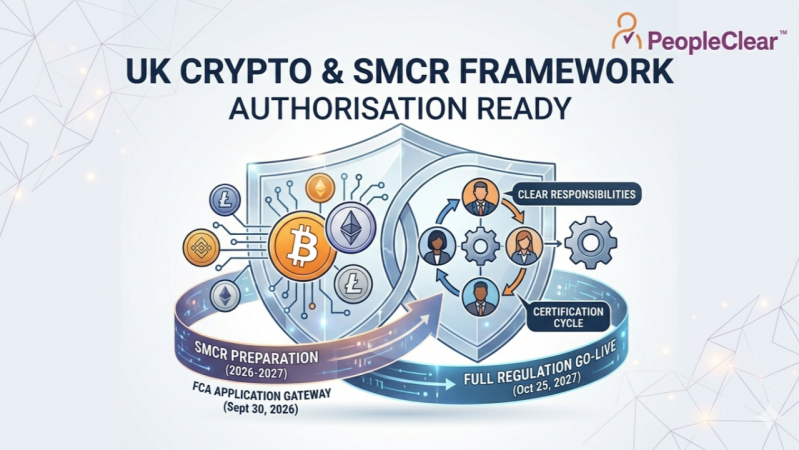
The UK cryptoasset sector is undergoing a profound transformation. As the government and the Financial Conduct Authority (FCA) finalize the integration of cryptoasset activities into the existing Financial Services and Markets Act (FSMA) framework, the industry is moving away from the limited scope of anti-money laundering registration and into a comprehensive, fully regulated environment.
A central pillar of this transition is the application of the Senior Managers and Certification Regime (SMCR) to crypto firms.
The Move to Full Authorisation
From October 25, 2027, firms conducting regulated crypto activities, such as operating trading platforms, providing custody services, or issuing stablecoins, must be fully authorised by the FCA. This transition marks the end of a period where these businesses operated outside the traditional financial regulatory perimeter.
The regulatory roadmap is clear:
- The Gateway: The FCA is scheduled to open the authorisation application window from September 30, 2026, to February 28, 2027.
- FSMA Integration: By bringing crypto within the FSMA, the FCA is ensuring that crypto firms are subject to the same high standards of governance, consumer protection, and risk management expected of traditional banks and investment firms.
Extending the SMCR
The extension of the SMCR to the crypto sector is designed to foster a culture of personal responsibility and clear accountability. By applying the SMCR, the FCA intends to ensure that the individuals leading these firms are held to the same standards of conduct and governance as their counterparts in traditional finance.
Key aspects of the regime include:
- Individual Accountability: Firms must formally map and document “Senior Management Functions” (SMFs). This requires the clear allocation of responsibilities to specific leaders, who will be held accountable for the activities within their scope.
- Fitness and Propriety: Senior managers will be subject to a “fit and proper” test, requiring formal FCA approval. This assessment evaluates their competence, honesty, and integrity.
- Certification and Conduct: Beyond senior leadership, the regime extends to the broader workforce. Firms are tasked with the annual certification of staff in roles that could pose significant harm to the firm or its customers, ensuring all employees adhere to the FCA’s Conduct Rules.
- Tiered Approach: While most crypto firms are expected to fall under the “Core” regime, larger firms with significant market presence may be classified as “Enhanced” firms, subject to more stringent governance requirements based on thresholds set by the regulator.
Why “SMCR-Ready” Means “Authorisation-Ready”
The FCA has set an exceptionally high bar for crypto authorisation. With a historically low success rate for applicants, the regulator has made it clear: they expect firms to arrive at the September 30, 2026 gateway with fully operational governance already in place.
Adopting an SMCR framework within a dedicated system now is a strategic necessity to clear this bar:
- Tangible Proof of Governance: The FCA requires evidence that you are “ready, willing, and organised.” By using a dedicated system to map Statements of Responsibilities (SoRs) and generate a Management Responsibilities Map, you provide the regulator with documented, audit-ready proof that your accountability structure is functional—not just a theoretical plan on a spreadsheet.
- De-risking the “Savings Provision”: To continue operating past the October 25, 2027 deadline while your application is processed, you must submit a high-quality application during the gateway window. Managing this within a system allows you to run “dry-run” certification cycles and Conduct Rules training through 2026, ensuring your data is clean and your team meets the FCA’s rigorous standards from day one.
Don’t leave authorisation to chance and adopt SMCR best practices now.